.png)


_Article%20Header.jpg)
Does it feel like your HOA board position is becoming an unpaid full-time job?
When your Board of Directors is responsible for managing every aspect of the association, the work can be overwhelming.
You could go from dropping off a check at the bank, to meeting a new landscaping vendor, to driving through the neighborhood to check for weeds, to emailing those eight neighbors who are late on their assessments...all in the same afternoon. That time adds up.
And a lot of other Boards agree.
In 2024, it was estimated only 30–40% of community associations in the U.S. were self-managed, according to the Foundation for Community Association Research.
So why have the majority of associations chosen to hire professional management? What does that actually involve? And is it worth the investment?
After all, if it costs your neighborhood money, you need to make sure it will be beneficial.
In this article, we’ll walk through what professional HOA management looks like, the benefits it may bring, and how to decide if it’s the right move for your association.
What Is Professional HOA Management?
Professional management is when your HOA's Board of Directors partners with a trained individual or company to help run the day-to-day operations of your community. This support often includes administrative tasks, financial oversight, vendor coordination, and more, freeing up board members to focus on strategic decisions while gaining access to expert tools and guidance.
Who Are Community Association Managers (CAMs)?
Community Association Managers (CAMs) are licensed professionals who specialize in HOA operations. The go-to industry professional for HOAs and condo associations.
Think of them like the principal of a school, handling daily responsibilities and enforcing rules, while the Board acts like the school board, setting policies and approving budgets.
In Georgia, CAMs are licensed through the Georgia Real Estate Commission, which sets education and examination standards, including ongoing continuing education once licensed.
Beyond state licensing, CAMs can pursue advanced designations, such as the Professional Community Association Manager (PCAM), the highest credential in the industry.
Earning a PCAM designation involves meeting strict experience and education requirements, conducting a research study at an association, and presenting a thesis reviewed by a national board. Only a small percentage of managers hold this prestigious title.
What Are Community Association Management Companies?
While some associations hire CAMs directly, most work with community association management companies (like All-In-One Community Management). These companies employ CAMs who manage multiple communities, supported by auxiliary staff in areas like accounting and customer service.
At All-In-One, we’ve built a model that goes beyond the basics. Our CAMs are backed by dedicated specialists in each area of management, like compliance inspections, architectural review, and amenities access. In many firms, these tasks fall solely on the CAM and/or their assistant, but we’ve found our team approach ensures your board and homeowners get more responsive, well-rounded support.
Professional Management vs. Board Responsibilities
Professional management doesn’t replace your board: it empowers it.
Think of your Board of Directors as the captain of a ship, setting the course and making key decisions. The management team is the crew, handling operations and keeping things running smoothly.
In HOA terms, Boards retain ultimate authority and fiduciary responsibility, while management executes their decisions and manages daily tasks.
Here’s a breakdown of who handles what.
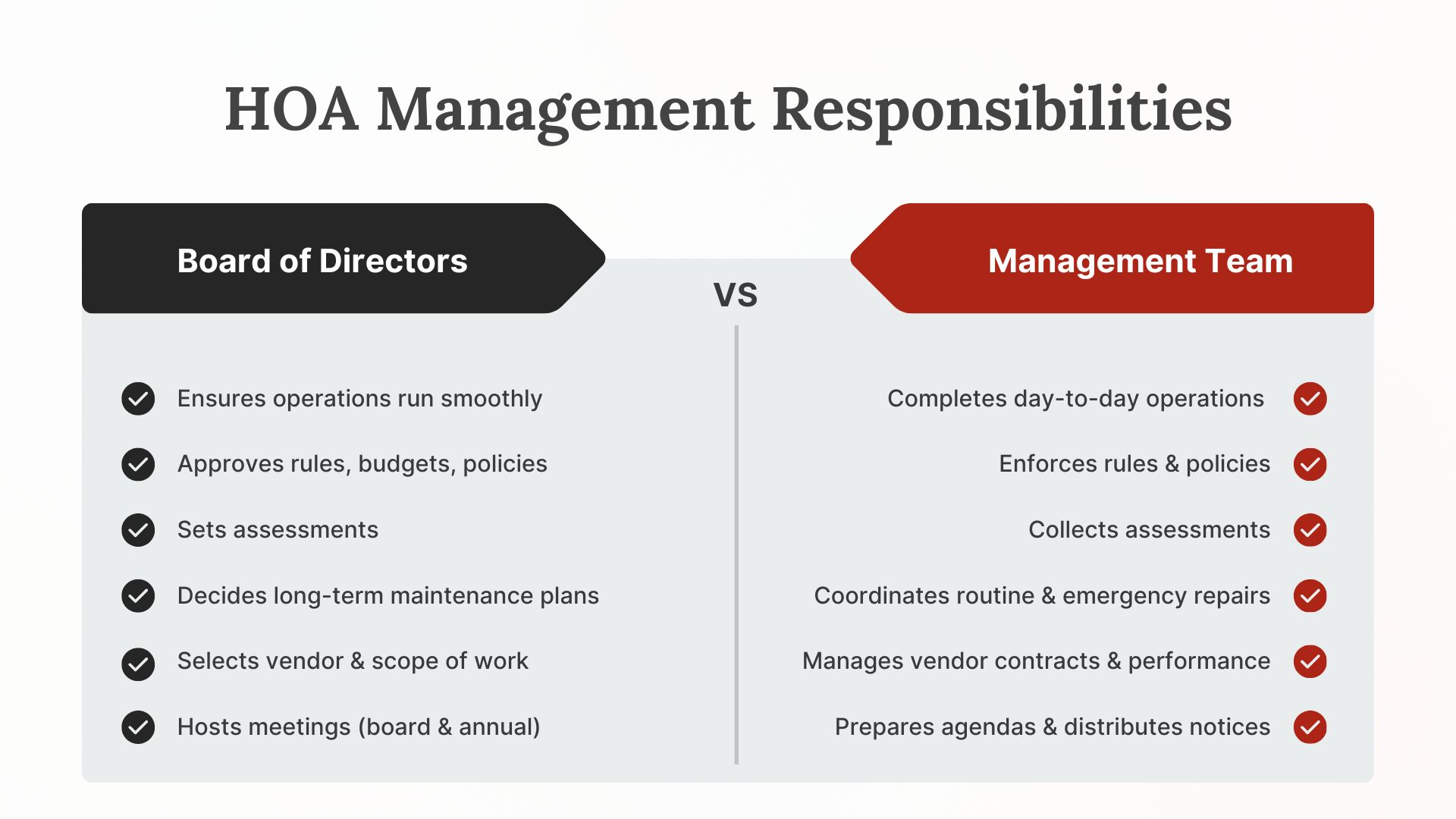
Your Board of Directors is responsible for:
- Approving rule changes, annual budgets, and collection policies
- Setting assessment rates
- Deciding long-term maintenance plans and capital improvements
- Selecting vendor contracts and scope of work
- Hosting board and annual meetings
- Fulfilling fiduciary duties
- Ensuring management meets the association’s standards
Professional management teams may handle:
Financials
- Collecting assessments and managing delinquencies
- Preparing financial reports and assisting with budgeting
- Overseeing reserve funds and vendor payments
Covenants Compliance
- Issuing violation notices and tracking compliance
- Conducting inspections and following up on infractions
- Supporting dispute resolution
Administrative
- Maintaining records and documentation
- Preparing agendas and distributing notices
- Facilitating elections and annual meetings
Vendors
- Coordinating routine and emergency repairs
- Managing vendor contracts and performance
Communication
- Managing homeowner portals and digital communications
- Responding to homeowner inquiries
- Advising the board with expert knowledge
8 Reasons to Hire Professional HOA Management (& If They'll Benefit You)

1. Expertise
Let’s start with the most obvious difference between a volunteer board and a professional management team: expertise.
Community Association Managers live and breathe HOA operations (and sometimes even dream about them).
What might take a board member hours of research (like navigating a tricky collections policy or interpreting state statutes) is often second nature to a CAM.
For example, while a board might spend days figuring out how to handle a homeowner’s request to install solar panels, a CAM likely already knows the legal requirements, architectural review process, and how to communicate it clearly to the homeowner.
At All-In-One, we take this even further.
Our CAMs are supported by specialists in covenants compliance, amenity access, architectural review, and more. Because HOAs are complex (they’re like miniature societies); no one person should have to do it all.
Just like a city doesn’t rely on one planner to run every department, we believe your community deserves a team with the right tools and knowledge for every challenge.
Why This May Be Beneficial
If you're a long-time board member, you’ve developed your own form of expertise. And if you’re new to the Board, you’ll do the same in time.
But most volunteers simply don’t have the time to stay current on all the real estate laws, best practices, or attend industry training and conferences like CAMs do.
That experience matters.
A seasoned CAM might recognize early signs of a vendor contract issue or a budget shortfall, long before it becomes a crisis. For example, they might catch that a landscaping contract doesn’t include storm cleanup, saving the board from surprise costs after the next big storm.
Why This May Not Be Beneficial
If your association is small, has minimal amenities, and your board already includes members with relevant experience (like legal, construction, or accounting backgrounds), you may not feel the need for outside expertise just yet.
But keep in mind: as your community grows or changes, the complexity of managing it often does too.

2. Financial Management
You don’t need to be an accountant to know that properly managing your money is essential to the operations of any organization. Your HOA is no different.
From budgeting and collecting dues to paying vendors and tracking reserves, financial management is one of the most time-consuming (and high-stakes) parts of running an association.
It’s not just about balancing a checkbook. It’s about:
- Maintaining accurate records
- Managing bank relationships
- Processing payments and deposits
- Tracking delinquencies and applying late fees
- Generating financial reports
- Proposing and adjusting budgets
- Ensuring reserve funds are properly allocated
- Staying compliant with tax and audit requirements
In management teams, financial professionals work alongside your CAM to ensure every dollar is accounted for and every report is clear and timely. This allows your board to make informed decisions without getting buried in spreadsheets.
Why This May Be Beneficial
With professional management, your board can focus on big-picture planning while experts handle the day-to-day financials. If your association:
- Has more than 50 units
- Struggles to prepare or stick to a budget
- Receives frequent vendor invoices
- Has a high delinquency rate
- Wants to build or maintain strong reserve funds
…then professional financial management can be a game-changer.
Why This May Not Be Beneficial
If your community is small, has few shared expenses, and rarely deals with late payments or fines, you may not need full-scale financial support. Especially if you already work with a trusted CPA, your board might be able to manage just fine.
That said, even the most straightforward finances can become complicated over time, especially as new residents move in, homes are rented out, or unexpected repairs arise.
Many management companies, including All-In-One, offer financial-only plans at a lower cost than full-service management, giving you peace of mind without overcommitting.

3. Communication
Let’s be honest...no one enjoys delivering bad news.
And in HOA life, that’s often what all communication feels like: late notices, violation letters, policy reminders. Even neutral updates can be time-consuming to send, and when emotions run high, things can get uncomfortable fast.
Now imagine those conversations with your neighbors, the people you see at the mailbox or pass on your evening walk. Suddenly, a simple fence violation turns into a tense sidewalk standoff with Bob, who put up his Christmas lights in August…again.
Professional management teams take on these communications for your Board, sending notices, answering questions, and handling difficult conversations with professionalism and care.
This saves you the time, the headache, and the fear of Bob when you’re checking the mail.
Why This May Be Beneficial
Even when things are calm, communication takes time. Mailing letters, answering emails, fielding phone calls, and managing mass messages can quickly become overwhelming, especially in larger communities.
Most management companies already have systems in place for:
- Mailing services
- Mass email and text alerts
- Dedicated phone lines and inboxes
- Tracking homeowner inquiries and responses
These tools are built into the cost of management, saving your board the time and cost of setting up and maintaining your own systems.
Why This May Not Be Beneficial
If your community is small, has few rule violations, and your board already has a reliable way to communicate with homeowners, you may not need outside help…yet.
But as your community grows or becomes more active, communication often increases.
Having a plan in place (or a partner ready to step in) can make all the difference when things get busy.
4. Third-Party Covenants Enforcement
Covenants enforcement is often what HOAs are most known for (and not always in a flattering light).
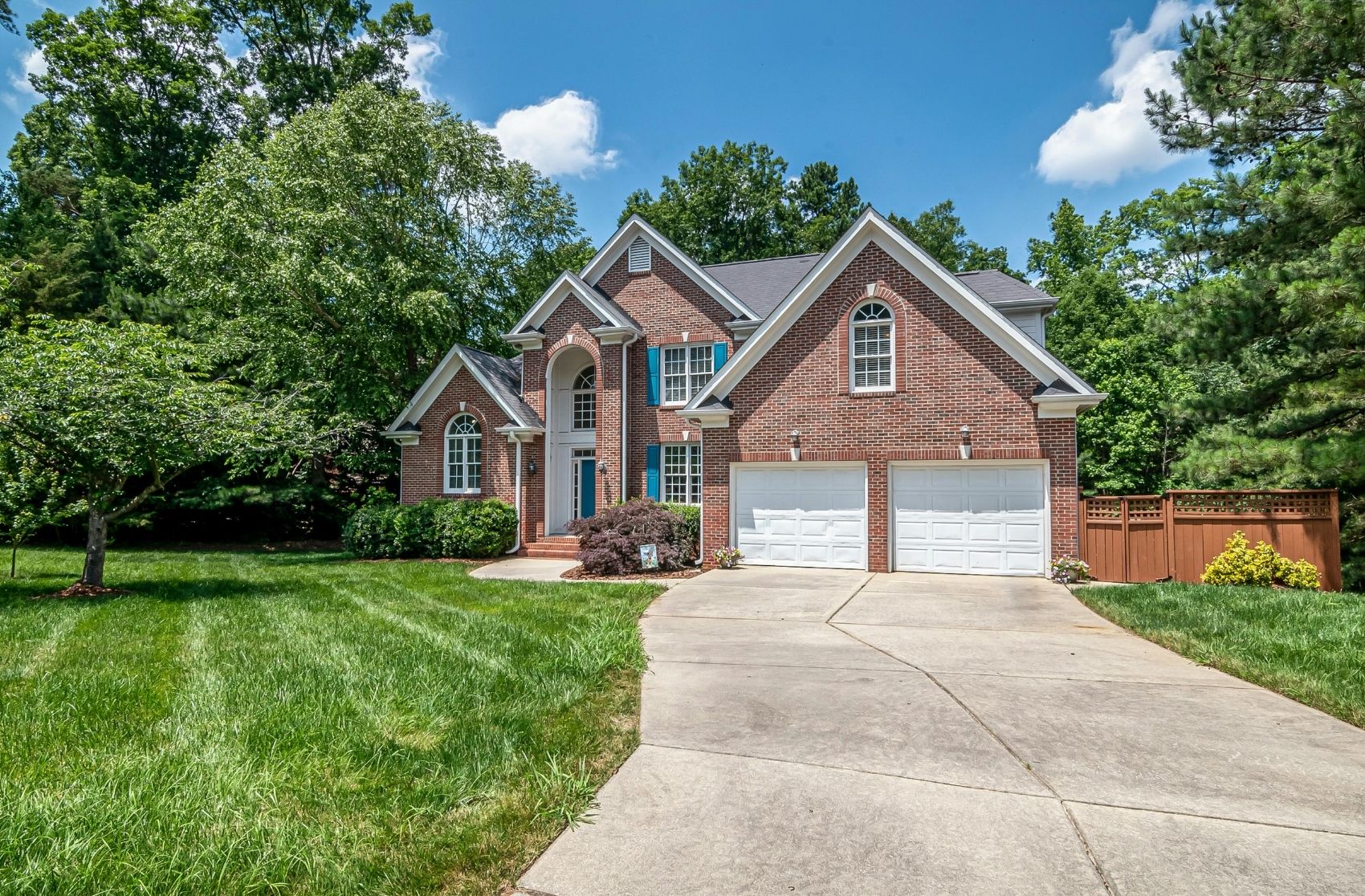
No one enjoys being told what they can or can’t do with their property. But consistent enforcement of community standards is essential to maintaining curb appeal and protecting property values.
Professional management companies help ensure covenants are enforced fairly and consistently. Most conduct scheduled inspections (we like to call them site reviews) to identify and document violations. Many also use specialized software that allows the Board to review and approve notices before they’re sent out.
At All-In-One, we take this a step further by assigning a Compliance Site Review Specialist to each community. These team members are trained to understand your association’s specific rules and conduct thorough, unbiased inspections.
Why This May Be Beneficial
Enforcing covenants takes time, coordination, and consistency.
- How often are inspections conducted?
- Is there a system in place for issuing notices?
- How are disputes or resolutions handled?
Professional management answers these questions with structured processes, often requiring little direct involvement from the board.
And perhaps most importantly, having a neutral third-party conduct these inspections helps the Board prevent selective enforcement, which occurs when rules are applied inconsistently or unfairly.
This not only protects your board from potential legal issues but also builds trust within the community.
Why This May Not Be Beneficial
If your community prefers a more informal or flexible approach to rule enforcement, professional management may feel too rigid.
Additionally, some boards may want to maintain direct control over how and when violations are addressed, especially in smaller or close-knit communities.
5. Vendor Coordination
Imagine trying to find a vendor to repair a damaged entrance gate. Between researching options, making calls, reviewing insurance, and scheduling the work, a board member could spend 4 to 6 hours over several days.
For a professional manager, that same task might take just 20 to 30 minutes.
Why?
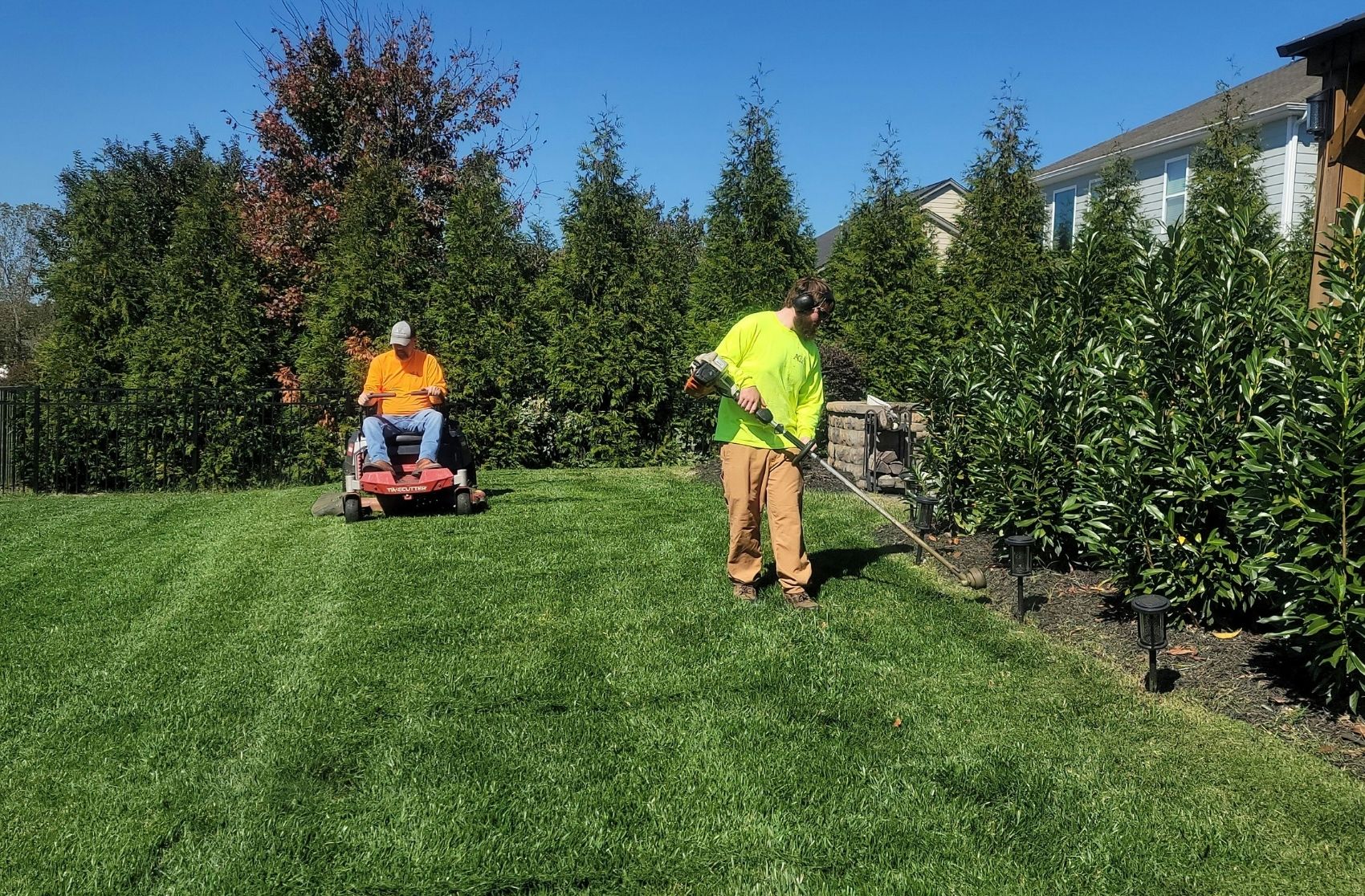
Because management teams have pre-established vendor relationships and systems in place to streamline coordination. From scheduling to payment, your manager handles the details, ensuring the work gets done efficiently and on time.
Why This May Be Beneficial
Professional vendor coordination means faster turnaround, better service, and fewer headaches.
- Managers often work with vendors who have proven track records.
- On-time payments help maintain strong vendor relationships.
- Most of the coordination happens behind the scenes, freeing up your board’s time.
The more amenities and common areas your association has, the more valuable this support becomes.
Why This May Not Be Beneficial
Some boards prefer to personally vet and select vendors, especially if they have long-standing relationships or specific preferences. In these cases, outsourcing vendor coordination may feel like giving up control.

6. Access to Technologies & Resources
Does your association offer a resident portal? A centralized online space where homeowners can view account balances, submit forms, or request amenities access?
If not, your community may be missing out on a key convenience.
Professional management companies typically provide access to these tools, along with systems for architectural requests, compliance tracking, financial reporting, and more. These platforms improve transparency, streamline communication, and make life easier for both residents and board members.
Why This May Be Beneficial
These tools help modernize your association and reduce manual work in the following ways:
- Homeowners can access information anytime, without needing to contact the board.
- Online forms simplify requests for things like pool keys or clubhouse reservations.
- Boards gain access to real-time financial data and compliance updates.
Why This May Not Be Beneficial
Some communities may not need advanced tech solutions, especially if they’re small or operate with minimal digital engagement. Additionally, transitioning to new systems can require training and adjustment, which may be a hurdle for some boards or residents.

7. Insurance & Legal Guidance
Even with professional management, your association still needs to maintain relationships with licensed insurance providers and legal counsel.
But having a management team in place gives your board a knowledgeable liaison, someone who can help interpret complex documents, explain industry jargon, and guide you through processes that might otherwise feel overwhelming.
While most management team members aren’t licensed to give legal or insurance advice, they can offer valuable support in HOA-specific areas like:
- Reviewing coverage requirements for common areas
- Coordinating claims after property damage
- Assisting with collections and delinquency processes
- Navigating covenant enforcement procedures
- Preparing documentation for legal review
At All-In-One, we also have a Collections Liaison Specialist and an Association Insurance Specialist, who works directly with boards and legal/insurance teams to ensure communication is clear and timely.
Why This May Be Beneficial
Having a CAM and their management team as your primary point of contact can reduce confusion, save time, and help your board feel more confident when dealing with legal or insurance matters. They know what questions to ask, what documents to prepare, and how to keep things moving.
Why This May Not Be Beneficial
If your board already has strong relationships with legal and insurance professionals or prefers to handle those communications directly, this added layer may feel unnecessary.
And while your CAM can guide the process, they can’t replace the expertise of a licensed attorney or insurance agent.

8. Time Saved
We’ve saved this for last because, in many ways, it’s the most important reason boards choose professional management: it saves time. A lot of it.
Think back to everything we’ve covered: compliance inspections, vendor coordination, financial reporting, homeowner communication. Each task takes time, and for volunteer board members, that time adds up quickly.
Why This May Be Beneficial
You’ve probably heard the saying: Time is our most valuable resource. Unlike money, once it’s spent, you can’t earn it back.
Board service is a volunteer role. You’re not paid for your time; you’re giving it freely to help your community thrive.
Professional management helps you focus on strategic decisions while leaving the day-to-day operations to a trusted team.
It’s about balance. Knowing when your time is being used effectively…and when it’s starting to feel like a second job.
Why This May Not Be Beneficial
If your association is small, well-organized, and your board has found a rhythm that works, professional management may not be necessary.
Some boards enjoy being hands-on and find fulfillment in managing the community directly.
In those cases, outsourcing may feel like giving up control or spending money on tasks they’re already handling well.
Should Your Association Hire Professional Management?
Ultimately, this decision rests with your board.
As a general trend, the larger your association, the more likely you’ll benefit from professional support. But even smaller communities can find value, especially when it comes to tasks that are time-consuming, uncomfortable, or require specialized knowledge.
Professional management isn’t about replacing your board. It’s about partnering with it.
A good management team takes the time to understand your community’s needs, your board’s goals, and how to support both.
If you're in the North Metro Atlanta area and considering professional management, we’d love to connect. Schedule a consultation with our team, and we can explore whether a partnership with All-In-One would truly benefit your association.
Because we believe (let’s make this your motto too) if it takes your association’s resources, it should bring real value to your community.