


.png)


One of the worst things about being a homeowner is facing unexpected repairs or replacements.
The air conditioning unit breaks. The microwave won’t heat things for over two minutes. The oven’s heating element burns out. The pool starts draining because of a hidden leak. And, just when you think it can’t get worse, you discover rats have somehow gotten inside your house and chewed through your couch.
I know how stressful this can be, because all of that happened to me last summer. At the same time. It was quite a fun first month at my new house.
Just like your home, your community association’s property can face unplanned repairs and emergencies.
Depending on your community’s size and amenities, that could include issues with clubhouses, pools, playgrounds, tennis courts, roofs, parking lots, or even entrance gates.
And as a board member, you’re responsible for addressing these issues on behalf of every homeowner.
Your neighbors trust you to manage their money wisely and keep the community in good condition. They don’t want to be hit with surprise special assessments every time something breaks, whether it’s a leaking clubhouse roof, a cracked parking lot that needs resurfacing, or a dreaded broken gate arm that backs up traffic down the block.
So how do you prepare for the unexpected?
As a homeowner, you might set aside savings for repairs or budget for home improvements. HOAs and condo associations do something similar through a reserve fund.
In this article, we’ll cover what a reserve fund is, what it should cover, why it’s essential for your association’s financial health, and how to plan for a strong reserve that protects your community from costly surprises.
Reserve Fund Basics
What’s a Reserve Fund?
A reserve fund is money your association sets aside to cover repairs, replacements, and major improvements (beyond the day-to-day operating expenses).
This is different from the operating fund, which covers routine costs like:
- Utility bills for common areas
- Landscaping and lawn care
- Trash and recycling services
- Routine maintenance and cleaning
- Management fees and administrative costs
What Does the Reserve Fund Cover?
Known Major Expenses
These are predictable repairs or replacements due to normal wear and tear.
Examples include:
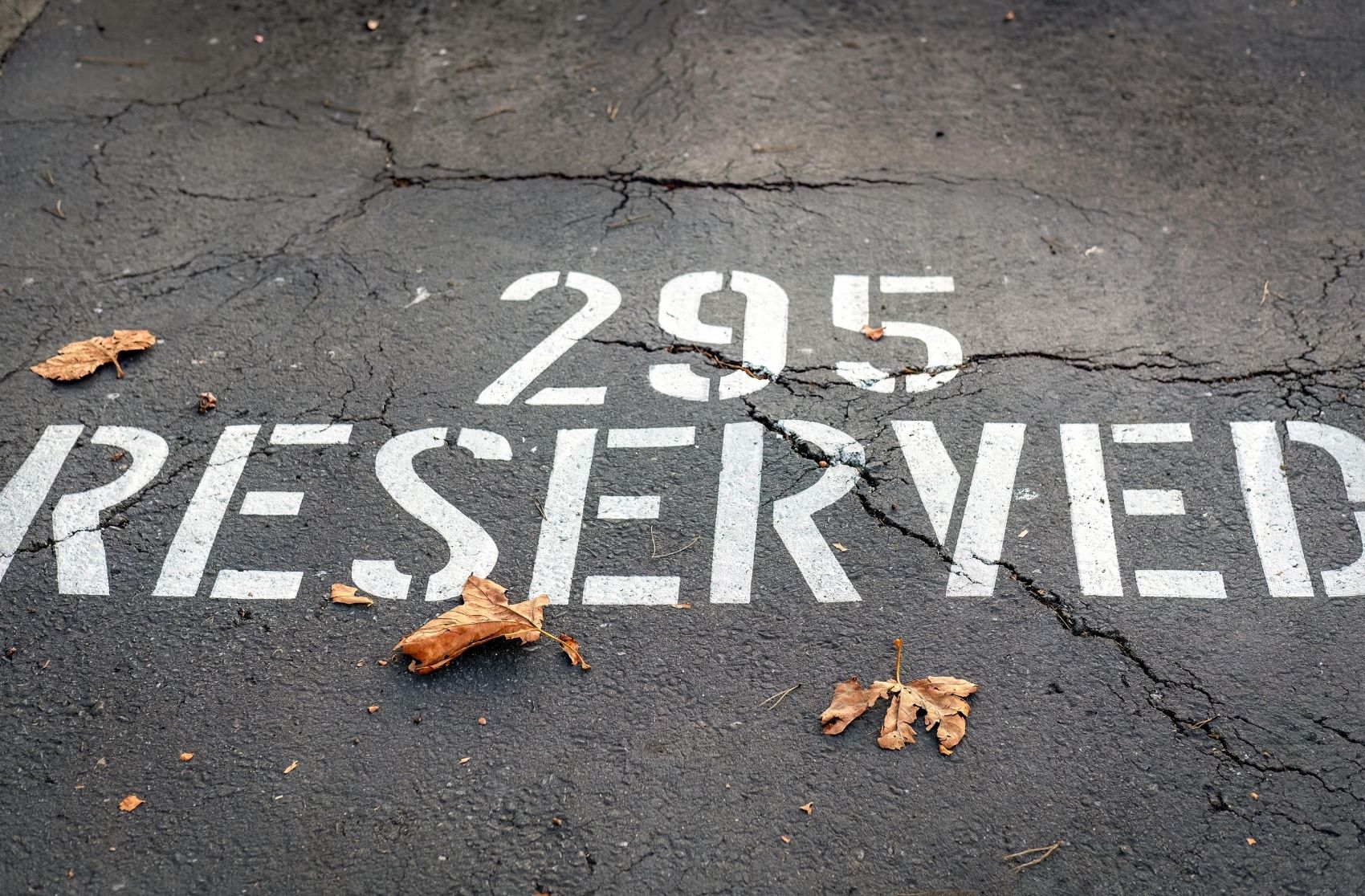
- Repaving roads and parking lots
- Resurfacing tennis courts and pools
- Replacing roof shingles on clubhouses, townhomes, or other structures
- Replacing playground equipment
- Large tree removal projects
- Updating security gates or entry systems

Capital Improvements
These are new projects that enhance the community, such as:
- Installing a new playground
- Adding pickleball courts (which is a growing trend)
- Building a dog park
- Installing EV charging stations
- Upgrading fitness centers or adding outdoor exercise areas
Unplanned Emergencies
These are unexpected expenses that may not be fully covered by insurance, such as:
- Burst pipes causing water damage or mold (very common in winter months)
- Electrical failures in common buildings
- Elevator breakdowns in mid-rise or high-rise condos
- Fire damage to shared structures
- Storm damage to roofs, fences, or signage
- Pest infestations in common areas
What this comes down to is large, often costly expenses that weren’t explicitly planned for, but can still be budgeted for through reserves.
The Rotating Nature of Reserve Funds
Reserve funds aren’t meant to sit untouched forever. They’re designed to rotate.
Some years, you’ll contribute more than you spend; other years, you’ll draw from the funds for major projects. The goal is to maintain a healthy balance that meets your long-term plan and never falls below your association’s minimum threshold.
Like a personal savings account, reserve funds can also earn interest by being placed in high-yield accounts or laddered CDs, helping make that money work for the community, even when it’s not being used.
The 6 Reasons Why Reserve Fund Planning Is Important

1. Fiduciary Responsibility
Your Board of Directors is legally obligated to act in the best interest of the community. This is covered in your fiduciary duties.
This entails exercising care, avoiding conflicts of interest, and making decisions that benefit the entire association. Basically, it emcompases all the things that come to mind when you think of ideal governance.
One key aspect of this responsibility is ensuring that your community’s shared spaces and infrastructure are maintained, replaced, or upgraded when needed, not only for residents’ daily enjoyment but also to protect their property values.
Reserve fund planning directly aligns with these duties. A proactive budgeting plan for known major repairs, capital improvements, and emergency repairs helps your board fulfill its obligation to manage assets and resources responsibly.

2. Limiting Special Assessments
Homeowners dislike surprise expenses, like special assessments…and for good reason! It’s the same thing as those surprise home repairs mentioned at the start, only you’re having someone else tell you to pay money for something that, depending on your community and your specific level of involvement, may not affect you as much as a repair on your personal property.
Now, let’s be honest, even with a healthy reserve, special assessments can still happen. Things can come up that’s outside of everyone’s control and beyond even the best planning.
But the goal is to minimize these as much as possible.
A strong reserve fund means fewer emergency special assessments and happier homeowners who feel their money is being managed responsibly.

3. Planning Ahead for Emergencies
It’s always easier to prepare than to scramble during a crisis. A well-funded reserve ensures your association can handle unexpected issues without too much panic. Imagine the difference between calmly approving a repair versus rushing to decide on a special assessment because the clubhouse roof collapsed after a storm.
Proper reserve planning, especially backed by a reserve study (more on that later), helps forecast these needs so you’re at least not completely caught off guard.

4. Legal Requirement
While not every state mandates reserve funds, several have enacted policies in response to the 2021 Champlain Towers South collapse in Surfside, Florida, where a lack of planning contributed to catastrophic failure and loss of life. This tragedy exposed the dangers of deferred maintenance and underfunded reserves, sparking legislative action.
Currently, at least twelve states (including Florida) have some kind of requirement regarding reserve planning (specifically reserve studies) or funding. Many of these are primarily focused on condominium associations, due to their higher risk.
Even if your state (like Georgia) doesn’t currently mandate reserves, these laws show a growing trend toward stricter standards, which could spread to more states in the future.
Curious about your state’s requirements? Check out this resource from the Community Association Institute, which summarizes each state’s reserve fund laws as of October 2023.

5. Reflection of Good Financial Health
A healthy reserve fund shows your association is well-managed and forward-thinking. It can also make it easier to secure loans for major projects.
For your homeowners, it builds trust that their money is being used wisely and that the board is planning for the future, not just reacting to problems.
6. Fairness Across Generations of Homeowners
Reserve planning ensures that the cost of repairs and replacements is shared fairly among all homeowners who benefit from the community’s amenities, not just those living there when something breaks.
For example, if a pool was enjoyed for 15 years by multiple families, it’s fair that contributions toward its eventual resurfacing were spread out over time (rather than hitting current owners with a massive bill). This approach promotes equity and long-term stability.
So How Do You Plan a Healthy Reserve Fund?
“Healthy” is a relative term. It looks different for every community. An HOA with 20 single-family homes won’t need the same reserves as a 200-unit condo complex with elevators, pools, and parking decks. Generally, condos and townhomes require more because they maintain more shared assets and face higher risks for costly emergencies.
The industry often measures this as percentage funded, how much of your projected future expenses are currently covered by reserves. But where does that number come from? That’s where reserve studies and strategic planning come in.

Reserve Study: Your Roadmap to Financial Stability
A reserve study is a comprehensive analysis of your association’s physical assets and financial health.
It evaluates:
- What the Association is responsible for maintaining (roofs, roads, pools, elevators, etc.)
- When it will need repair or replacement
- How much it will cost
- How much you should save annually to stay on track
A full reserve study typically involves hiring a qualified professional, often an engineer or a specialist with designations like PRA (Professional Reserve Analyst), to inspect your property and prepare a detailed report. This report becomes your roadmap, factoring in inflation and life cycles of assets.
Benefits of a Reserve Study
- Budgeting Tool: Helps with planning annual contributions and avoiding guesswork.
- Expert Insight: Professionals bring experience and objectivity, reducing the risk of underfunding.
- Homeowner Education: Explains why assessments may increase, which builds trust.
- Accountability: Creates a documented standard of care. If ignored, it can expose the board to liability.
Timing of a Reserve Study
Reserve studies provide a long-term roadmap, often projecting needs for the next 20 years. However, they’re not a “set it and forget it” tool.
It’s recommended to update your study every 3–5 years to account for changes such as:
- Shifts in economic conditions that impact material and labor costs
- Inflation
- Unexpected wear or accelerated aging of assets
- New amenities or capital improvements added to the community
Regular updates ensure your reserve plan stays accurate and responsive to real-world conditions, rather than relying on outdated assumptions.

Alternative: Capital Expenses & Emergency Plan
Not ready for a full reserve study? At minimum, create a short-term capital plan (2–5 years) that lists:
- Major projects (e.g., resurfacing tennis courts, replacing roofs)
- Estimated costs
- Target savings
Even if you have a reserve study, remember it’s a guide, not a mandate.
For example, if the study recommends resurfacing your tennis court every 5 years but it’s still in great shape at year 6, you can adjust priorities.
The key is having a baseline plan so you’re not blindsided by big expenses.
%20A%20Key%20Resource.jpg)
Your Community Association Manager (CAM): A Key Resource
If your association works with a professional management company, your CAM is one of your best allies in reserve planning. They can:
- Advise what a healthy reserve looks like for your community
- Assist with budgeting and forecasting
- Recommend qualified reserve study specialists
- Help interpret reports and answer board or homeowner questions
- Attend reserve study inspections to provide context and ask the right questions
Your CAM ensures planning isn’t just a report, it’s a conversation that leads to action.
Conclusion
The bottom line: Reserve fund planning isn’t just financial best practice. It’s a safeguard for your community’s future. It protects homeowners from surprise special assessments, ensures critical repairs and improvements happen on time, and helps maintain property values for years to come.
A well-funded reserve means your board can act with confidence, even when the unexpected happens, because the question isn’t if something will break, it’s when. Planning today is what keeps your community strong, safe, and thriving tomorrow.
If you’re in Metro Atlanta and need guidance when it comes to reserve fund planning, our team at All-In-One Community Management is here to help. You can schedule a consultation with us to discuss any issues your association is currently facing.




_Article%20Thumbnail.jpg)