


.png)


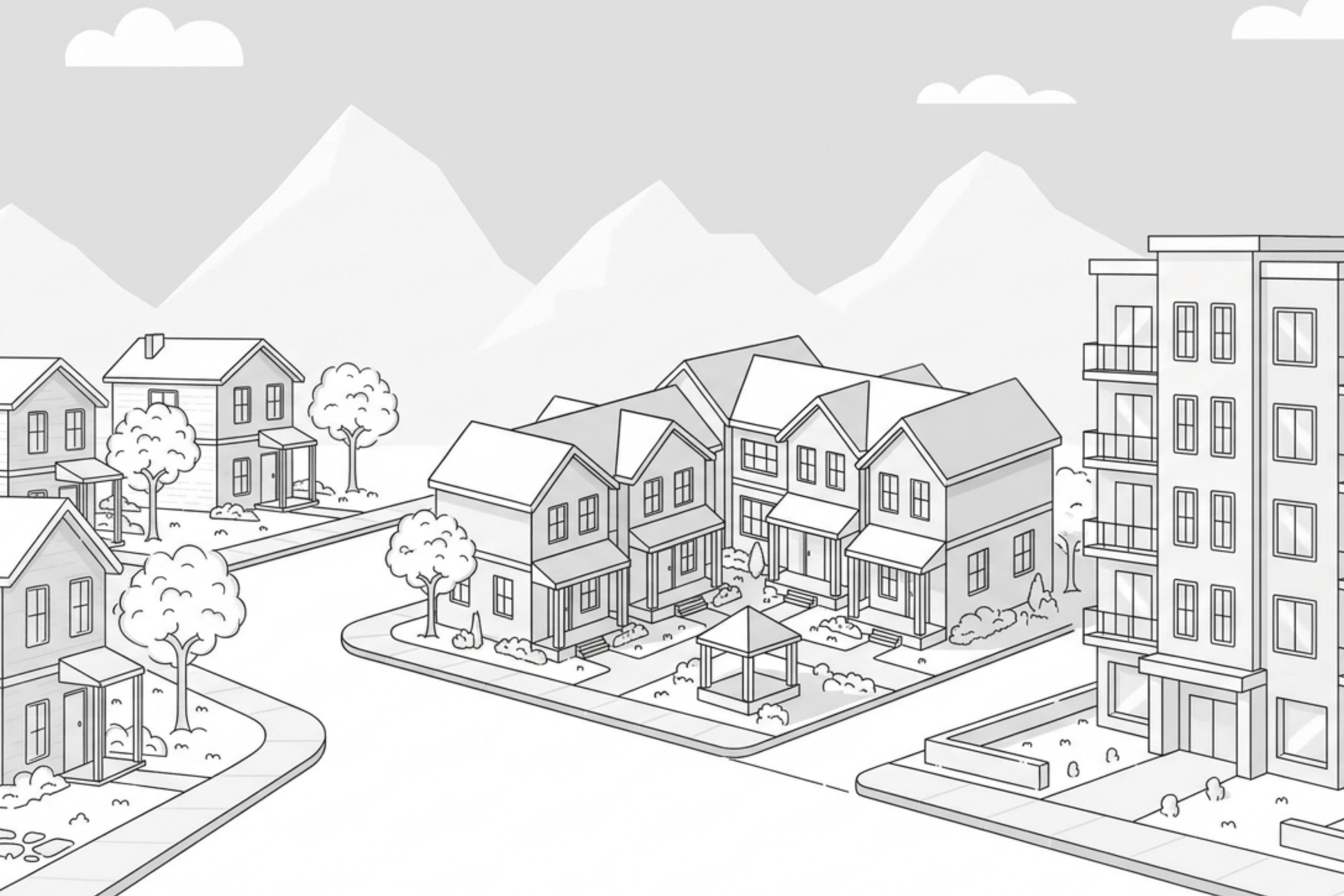
You’ve likely come across the terms HOA, POA, or COA. While they may sound similar, each type of community association has its own structure, responsibilities, and legal framework. Understanding the differences can help you make informed decisions and better serve your community.
Homeowners Association (HOA)
A homeowners association (HOA) is a nonprofit corporation formed to manage a residential neighborhood. It operates under legally binding governing documents that define the roles and responsibilities of the Board of Directors, committees, and members. When a homeowner purchases property in the HOA, they will typically join as a member of the association, and previous owners will transfer their membership upon selling property within the association.
The core mission of an HOA is to preserve property values and enhance the quality of life for residents. This includes maintaining common areas, enforcing community rules, and ensuring compliance with architectural guidelines.
In Georgia, if an HOA’s governing documents don’t address a specific issue, the Georgia Nonprofit Corporations Code may apply.
Property Owners Association (POA)
A property owners association (POA) is essentially an HOA that has opted into the Georgia Property Owners’ Association Act (1994), which grants additional legal powers and protections.
Choosing to operate under this Act can offer several advantages for the association:
- Automatic statutory liens for unpaid assessments or charges
- Joint and several liability, meaning new owners may be responsible for unpaid dues from previous owners
- Late fees and interest, the greater of $10 or 10% of the amount due, plus 10% annual interest
- Recovery of attorney’s fees and collection costs
- Amendments that apply uniformly to all owners
These provisions give POAs more tools to ensure financial stability and consistent governance.
Condominium Owners Association (COA)
COAs are designed specifically for communities made up of condominiums and are governed by the Georgia Condominium Act. While they share many functions with HOAs, COAs manage a unique form of ownership that includes:
- Individual units owned by residents
- Common elements shared by all owners (like lobbies or pools)
- Limited common elements (such as assigned parking spaces, reserved for specific units)
COAs must balance the needs of individual unit owners with the collective interests of the community, often in more compact or vertical living environments.
How We Help
At All-In-One Community Management, we work with all three types of associations (HOA, POA, and COA) offering tailored support that fits your community’s structure and goals. Whether you're navigating legal compliance, financial planning, or day-to-day operations, we’re here to help you lead with confidence.

.png)


_Article%20Thumbnail.jpg)