.png)


Pool season is one of those things that sounds simple until you’re the one responsible for it.
On paper, it’s “open the pool.” In real life, it’s vendor coordination, inspections, access systems, signage, bathrooms, water chemistry, resident communication, and a long list of small items that can delay opening if even one piece is missing.
If your board is feeling that pressure right now, you’re not alone. A lot of HOA boards hit the same wall every spring: there are many moving parts, and everyone wants the pool open yesterday.
This article is here to help you get ahead of it. We’ll explore the main reason association pool openings get delayed, a list of the things you’ll want to get done before opening, and how management teams help decrease the workload through planning, vendor coordination, clear owner communication, and fast response when something goes wrong.
The Main Reason Pool Openings Get Delayed
Most delays happen because a critical requirement was overlooked or wasn’t fully operational when it was time to open.
In Georgia, public pools (including HOA pools) operate under state and local public health oversight, and many seasonal pools will need to pass inspection before opening each season.
That’s why pool openings go best when boards treat them like a short project with a timeline and a checklist, not a last-minute scramble.
What You Should Check Before Pool Opening
Before opening, make sure these items are fully operational. If one is down, the pool may not be allowed to open, or may need to close until it is fixed.
The safest approach is to treat this list as a “must be ready” baseline and confirm any local add‑ons with your environmental health office. Georgia DPH and local county boards of health regulate public pool operations and inspections.
- Facilities Operational. Make sure the water has been turned on for all areas of the amenities (pool, bathrooms, fountains, rinse areas as applicable). Ensure all bathrooms and water fountains are properly working.
- Emergency Phone Active. Make sure the emergency phone is fully operational and service is active. This is important for the safety of your residents. And for Cobb & Douglas counties, you’re required to have an operable, hardwired weatherproof emergency phone with direct 911 access, posted and available.
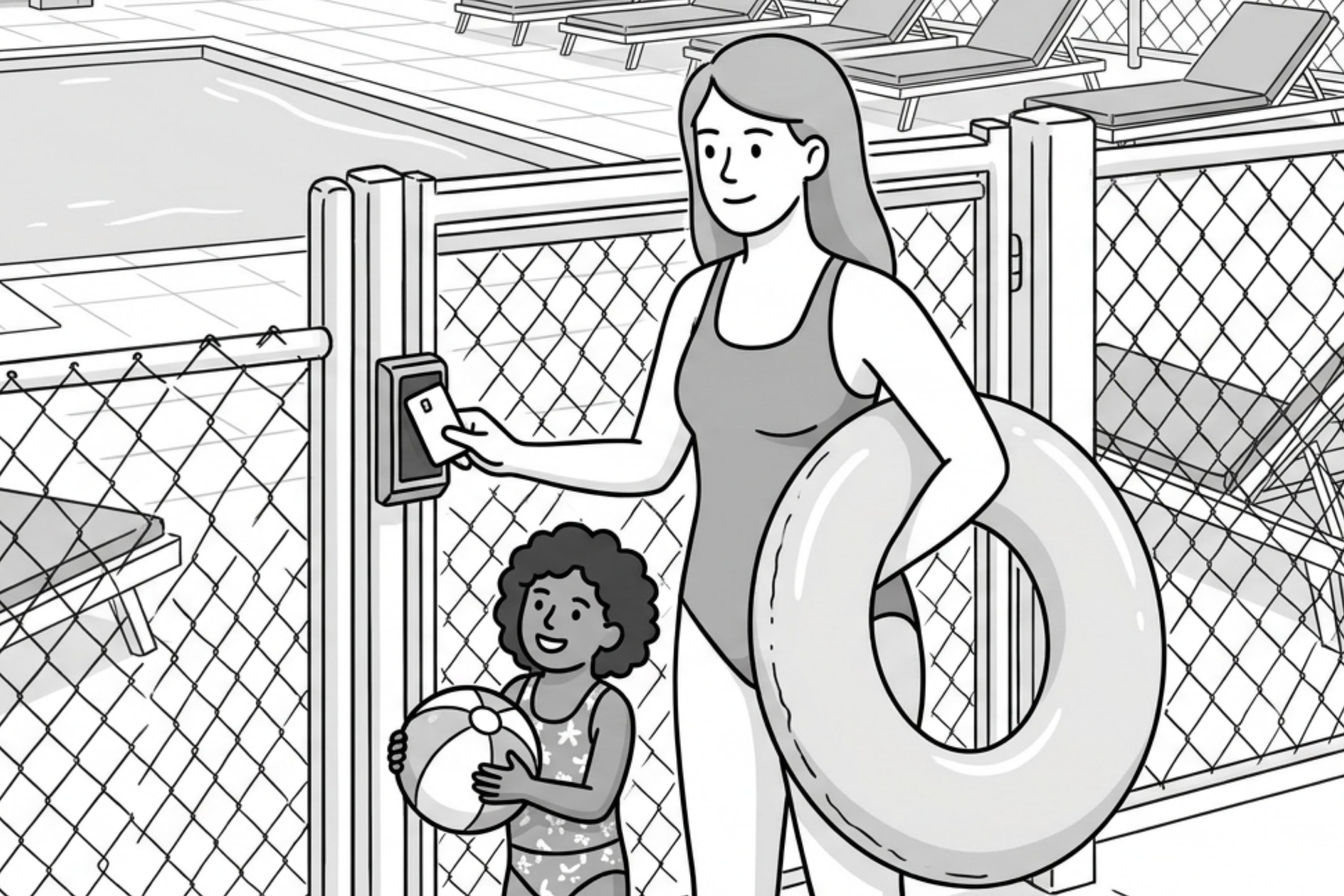
- Gate Self-Closing & Functional. Test to make sure your gate automatically latches/locks and ensure the power, internet, and/or phone that controls your gate access system is working. Gate safety requirements are part of public pool barrier standards.
- Ready for County Inspection. If your county requires an inspection, make sure you have followed any steps or paid any fees your jurisdiction requires.
How Management Companies Help
A good management company helps pool openings in four big ways:
1. Vendor Coordination that Stays on Track
Pool vendors often juggle many communities at once in spring. Timing matters.
Management support typically includes:
- Locking in vendor schedules early (opening prep, equipment start up, staffing, service visits)
- Confirming required documentation and readiness items
- Making sure work orders and follow-ups don’t get lost in email threads
- Coordinating with electricians, plumbers, gate vendors, and landscapers when needed
This coordination is especially important because public pool operations require ongoing oversight by trained personnel and compliance with operational standards.
2. Prep Work Ahead of Time (So Opening Feels Calm)
When pool season goes smoothly, it’s rarely because everyone “worked harder” that opening day. It’s because the prep started earlier.
A management team can help build a simple pool opening timeline and make sure each item has an owner and a due date. They can also help ensure you have what public health expects before opening, since a passing inspection is required for many seasonal pools before opening each year.
3. Resident Key Cards & Access Communication
A lot of pool season frustration comes from confusion:
- “When do pool keys work?”
- “Why doesn’t my fob open the gate?”
- “What if my account isn’t current?”
- “Where are the rules?”
Management helps by sending clear, friendly communications that cover:
- Opening date and hours
- How to get or replace key cards/fobs
- What to do if access doesn’t work
- Reminders about dues balances or account requirements
- The quickest way to report a pool issue
When boards have consistent communication systems in place, residents are less likely to escalate issues directly to board members.
4. Fast Emergency Response When Something Breaks
Emergencies happen: gates fail, phones lose service, pumps stop, bathrooms flood, vandalism occurs.
Management support helps boards by:
- Triaging urgent issues quickly
- Contacting the right vendor fast
- Documenting what happened and what’s being done
- Coordinating closures when required for safety or compliance reasons
This matters because health authorities can require closures for conditions that create safety or sanitation risks, and local public health guidance emphasizes maintaining required equipment and systems in working order.
If You’re Self-Managed
If your association is self-managed, the hardest part is usually not having enough bandwidth to coordinate vendors, track details, communicate clearly, and handle emergencies while still keeping up with everything else.
A good management company helps by turning pool opening into a repeatable system:
- Schedules
- Checklists
- Vendor coordination
- Inspection readiness
- Resident communication
- Fast escalation paths
That support is often the difference between “we hope we open on time” and “we’re ready.”
Pool Opening FAQ
How do we know what our requirements for inspection and opening?
For Georgia associations, start with your county environmental health office and the Georgia DPH public pool resources. Seasonal pools commonly need a passing inspection before opening each year.
What happens if a required item fails mid-season?
If an essential safety or operational requirement fails, the pool may need to close until it is corrected.
Who is responsible for water chemistry and daily monitoring?
In Georgia, public pool rules require supervision by a properly trained operator responsible for sanitation, safety, and recordkeeping. Some communities contract this through a pool vendor or operator service.
How can boards reduce key card and access complaints?
Send one clear “pool access” message before opening, include troubleshooting steps, and direct residents to one official support channel. This cuts down on repeated questions and escalations.
Closing Thought
A great pool season starts before the gate opens.
With the right prep work, clear expectations, and strong support when emergencies happen, your board can open on time and spend the season focusing on the bigger picture instead of putting out fires.
If you need reliable support during pool season, consider partnering with our team All In One Community Management. We proudly serve North Metro Atlanta with a specialized service approach, where a dedicated department handles all access-related questions. This allows your Community Association Manager (CAM) to concentrate on coordinating pool vendors and managing emergencies, ensuring a smooth and stress-free pool opening.

.png)