


.png)


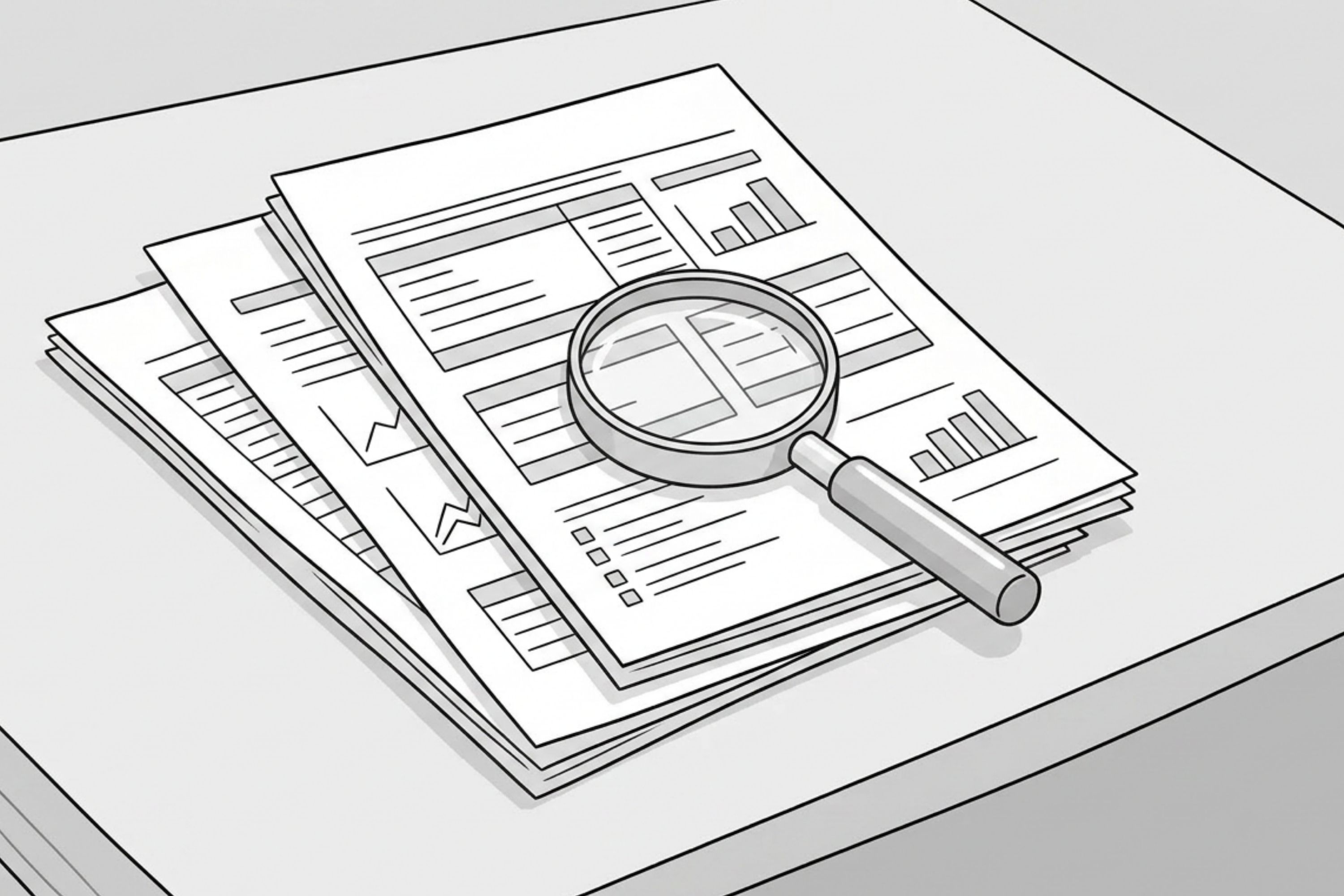
Financial statements are one of the most important tools a board has. They also tend to be one of the most intimidating.
Most board members are not accountants. And that is completely fine; you don’t need to be one to understand your association's financial health.
This guide walks through the main reports you will typically see, what each one tells you, and what questions to ask so you can govern with confidence.
Why Financial Literacy Matters
Board members have a fiduciary duty to the association. That means you have a responsibility to make informed, good-faith decisions about the community's money.
You don’t need to be the one who prepares the financials. But you do need to:
- Understand what they are telling you
- Ask the right questions
- Notice when something looks off
- Make decisions based on real numbers
Under Georgia Property Owners' Bill of Rights Act (SB 406), effective January 1, 2027, associations must retain financial records for a minimum of ten years, and homeowners gain expanded rights to inspect accounting records including balance sheets, budgets, profit and loss statements, and bank statements.
That makes financial literacy even more important for boards going forward.
The Core Financial Reports (And What They Tell You)
1. Balance Sheet (Statement of Financial Position)
What it shows: A snapshot of the association's financial position at a specific point in time.
Key components:
- Assets: What the association owns (cash in bank accounts, investments, prepaid expenses, receivables).
- Liabilities: What the association owes (unpaid vendor invoices, prepaid assessments, loans).
- Equity (Fund Balance): The difference between assets and liabilities.
What to look for:
- Is the cash position healthy enough to cover near-term obligations?
- Are receivables (unpaid assessments) growing or shrinking?
- Are there any unusual liabilities?
2. Income Statement (Profit and Loss/Budget vs. Actuals)
What it shows: How much money came in and how much went out over a period of time, compared to what was budgeted.
Key components:
- Revenue: Assessment income, interest, fees, other income.
- Expenses: Broken down by category (landscaping, insurance, management, utilities, repairs, etc.).
- Budget comparison: Actual numbers vs. what was planned.
What to look for:
- Are any expense categories significantly over budget? If so, why?
- Is revenue tracking as expected? Are there collection shortfalls?
- Are there categories that are underspent in a way that might indicate deferred work?
This is often the most useful report for monthly board review, because it shows whether the association is tracking to plan.
3. Accounts Receivable Aging Report (A/R Aging)
What it shows: How much money is owed to the association by homeowners, and how long those balances have been outstanding.
Typical aging buckets:
- Current
- 30 days
- 60 days
- 90+ days
What to look for:
- Is the total receivable amount growing?
- Are there a few large balances driving the number?
- Are collection efforts (notices, payment plans, legal referrals) keeping pace?
Delinquencies directly affect cash flow. Boards that monitor A/R aging monthly can catch trends early.
4. Bank Reconciliation
What it shows: A confirmation that the association's book balance matches the actual bank balance after accounting for outstanding checks, deposits in transit, and other adjustments.
What to look for:
- Are reconciliations completed monthly?
- Are there unexplained variances?
- Are there old outstanding checks that need to be investigated?
5. Reserve Fund Report (If Applicable)
What it shows: The current balance of the association's reserve fund, contributions made, and any withdrawals for capital projects.
What to look for:
- Are reserve contributions being made as budgeted?
- Has the reserve been used for anything unexpected?
- Is the reserve position aligned with upcoming project needs?
5 Questions Board Members Should Ask Each Month
Asking these questions consistently helps you stay informed, without having to constantly audit the financials.
- Are we on budget? (Look at the income statement/budget vs. actuals)
- How is our cash position? (Look at the balance sheet and bank balances)
- Are delinquencies growing? (Look at the A/R aging report)
- Are reserve contributions on track? (Look at the reserve fund report)
- Is anything unusual or unexpected? (Ask your management team or accountant to flag variances)
FAQ: Financial Statements
How often should boards review financials?
Monthly is the standard best practice.
What if I don't understand something in the report?
Ask your management team or accountant. There is no such thing as a bad question when it comes to the association's money.
Should homeowners see the financial statements?
Many associations share financial summaries at annual meetings or upon request. Under SB 406, homeowners will have expanded rights to inspect financial records. At All-In-One, financial statements are available for residents to view through their web portal account.
What is the board's responsibility for financial accuracy?
The board has a fiduciary duty to oversee finances responsibly. That means reviewing reports, asking questions, and ensuring proper controls are in place.
Closing Thought
Financial statements are one of the clearest ways to see the health of your association. Keeping these tips in mind helps you understand the story the numbers are telling and ask good questions when something doesn’t look right.
The more comfortable your board becomes with financial review, the better your decisions will be, and the more trust you will build with your homeowners.
If you need a North Metro Atlanta management partner to help guide your board in financial reviews, reach out to our team at All-In-One Community Management.

.png)

_Article%20Thumbnail.jpg)
_Article%20Thumbnail.jpg)