.png)


The holidays are a fun time of year, and decorations are a big part of what makes a community feel festive. From lights and wreaths to inflatables and elaborate displays, homeowners enjoy putting their own personal touch on the season.
For HOA boards and Architectural Review Committees (ARCs), though, holiday decorations can sometimes bring questions, or even disagreements, about what is allowed. The key is finding a balance between letting homeowners enjoy the holidays and maintaining reasonable community standards.
1. Set Clear and Reasonable Timelines
One of the simplest ways to avoid confusion is to let homeowners know when decorations can go up and when they should come down.
Instead of using vague language like “seasonal decorations,” consider providing specific dates or reasonable timeframes. Clear expectations make it easier for everyone to know the rules before the holiday decorations come out.
Example From a Real Community
Here's how one community's covenants take a straightforward approach with the following guidelines:
- Allowed Display Window: Decorations may be placed on a Lot within thirty (30) days prior to the specific seasonal holiday.
- Removal Deadline: All decorations must be entirely removed from the Lot within thirty (30) days after the applicable holiday has passed.
- Aesthetic Standard: Decorations must be reasonable and appropriate for the particular holiday.
These requirements fall under the community's general lot upkeep standards and are intended to help maintain a neat and harmonious appearance throughout the neighborhood.
This is a good example of how specific timeframes can give homeowners flexibility while still providing the association with a clear standard to follow.
2. Keep Decorations Appropriate for All Ages
Holiday decorations are meant to be fun, but it is worth remembering that HOA communities are shared spaces where people of all ages live, including young children.
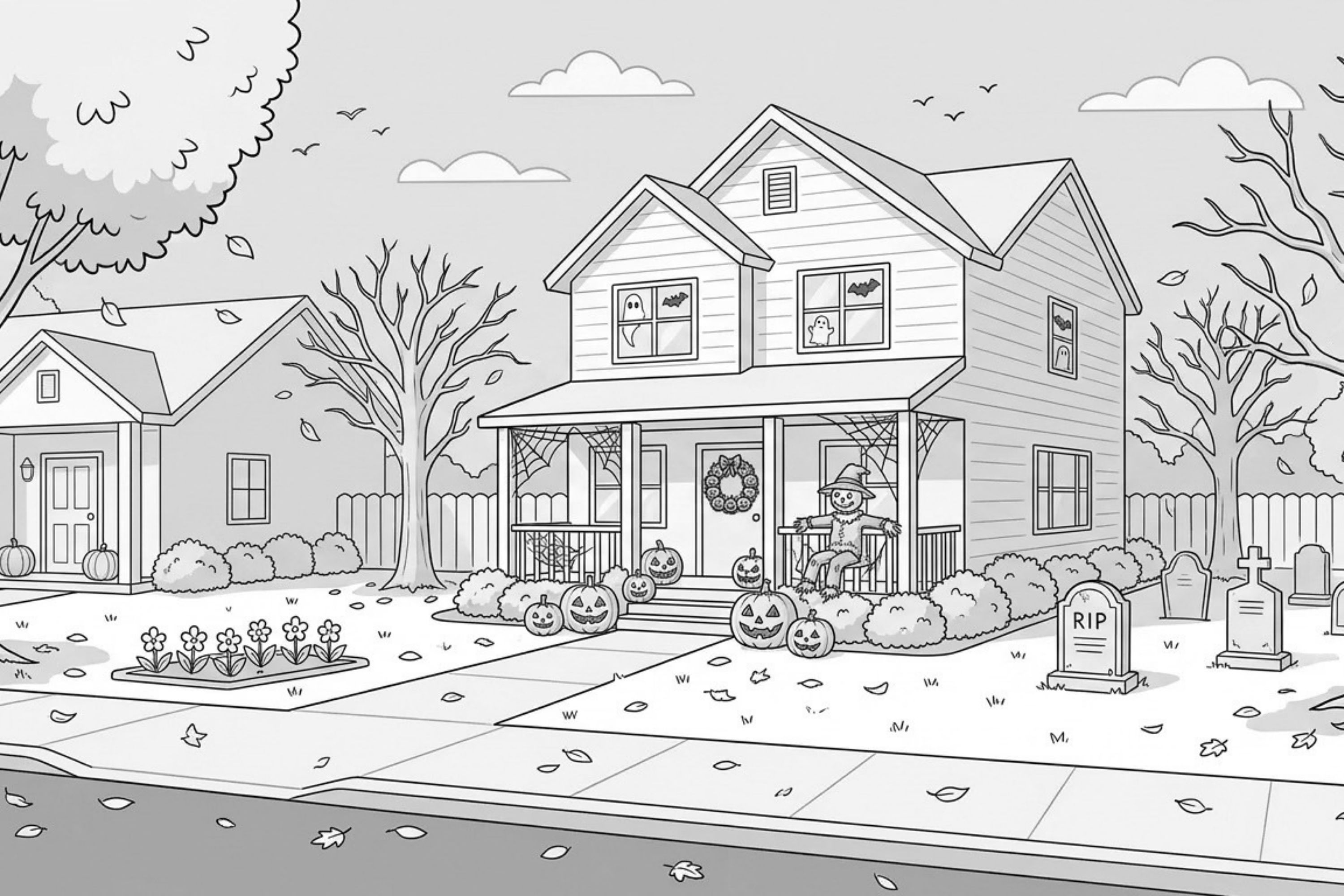
This is particularly important around Halloween, when decorations can range from playful and family-friendly to frightening or graphic. Boards may want to consider whether their community guidelines should address displays that could be considered excessively graphic, violent, disturbing, or otherwise inappropriate for children.
When developing or enforcing these standards, consider focusing on the overall appropriateness of the display rather than trying to regulate every specific decoration.
Some general guidelines might include:
- Keeping Halloween displays generally suitable for children and families
- Avoiding graphic depictions of violence, gore, or injury
- Avoiding displays that could be considered excessively disturbing or offensive
- Keeping decorations from creating unnecessary safety concerns or obstructing sidewalks
- Considering the age range and family-oriented nature of the community when establishing standards
The goal isn't to eliminate spooky Halloween decorations. A little spooky fun is part of the holiday! The idea is simply to encourage displays that allow children and families to enjoy the season without being confronted with content that may be inappropriate for their age.
3. Keep Lighting and Displays Reasonable
Holiday lights and decorations can add a lot of personality to a neighborhood, but they can also become a concern if they are overly bright, create a nuisance, or interfere with safety.
Depending on the community's governing documents, boards may want to address things such as:
- Very bright or flashing lights
- Decorations that shine directly into a neighbor's home
- Large inflatables or displays that block sidewalks or visibility
- Decorations placed in common areas or public rights-of-way
- Displays that create a safety concern
- Decorations that require permanent changes to a home or landscaping
The goal isn't to take the fun out of decorating, but you still want to make sure everyone's enjoyment of the holidays is respected.
4. Be Consistent
Consistency is especially important when it comes to HOA enforcement.
If one homeowner is asked to remove a decoration while a similar display at another home is allowed to remain, it can quickly lead to frustration and questions about fairness.
Boards and ARC committees should focus on the written rules and apply them consistently to similar situations. Enforcement should be based on the community's standards, not whether someone personally likes or dislikes a particular decoration.
5. Keep Enforcement Friendly
Not every holiday decoration issue needs to turn into a formal dispute.
If a homeowner may not realize that a particular display doesn't meet the community guidelines, a friendly reminder can often resolve the issue. If the homeowner doesn't address the concern, the HOA can then follow its normal violation and enforcement process.
A simple, respectful approach can go a long way during what should be an enjoyable time of year.
6. Make the Rules Easy to Understand
Holiday decoration rules should be easy for homeowners to find and understand. If homeowners have to search through several different sections of the governing documents to figure out whether their decorations are allowed, confusion is almost guaranteed.
A quick reminder from the HOA before the holiday season can also be helpful. Consider sharing installation and removal dates, basic lighting guidelines, safety requirements, and any expectations regarding age-appropriate displays.
Take a Look at the Rules Before the Holidays Arrive
If the same holiday decoration questions come up every year, it may be a good time for the board or ARC committee to review the existing guidelines.
If the rules are unclear or outdated, the association may want to consider whether an updated policy or amendment would make things easier for everyone. Any changes should, of course, follow the process required by the association's governing documents and applicable law.
FAQ: Holiday Decorations
Can an HOA legally restrict holiday decorations?
In most cases, yes, as long as the restriction is supported by the association's governing documents and applied consistently. Restrictions typically address timing, safety, placement, and general appearance rather than the specific holiday being celebrated. Boards should always confirm their authority with their association attorney, particularly when a decoration may involve religious or expressive content.
How long should homeowners be allowed to display holiday decorations?
There is no single standard, but many communities use a defined window, such as allowing decorations up to 30 days before a holiday and requiring removal within 30 days after. Specific dates or timeframes tend to work better than vague terms like "seasonal," because they leave less room for interpretation.
Can an HOA require a homeowner to remove a Halloween decoration?
It depends on the community's rules. If the governing documents or adopted guidelines address displays that are excessively graphic, disturbing, or unsafe, the association may be able to request removal. The key is that the standard must exist in writing beforehand and be applied the same way for every homeowner in a similar situation.
What if decor for a specific holiday is not specifically mentioned in our rules?
This is one of the most common enforcement challenges. If the situation is not clearly addressed, boards should look at whether a broader standard applies, such as general upkeep, safety, or nuisance provisions. If the same question keeps coming up year after year, it may be a sign the guidelines need to be clarified or updated.
Do holiday decoration rules apply to common areas?
Usually, the association controls decorations in common areas, and homeowners are typically not permitted to place personal decorations there without approval. Rules for individual lots and rules for shared spaces are often handled separately, so it is worth confirming what your documents say about each.
How should a board handle a decoration complaint from a neighbor?
Start by reviewing the written standard rather than the complaint itself. If the display falls outside the guidelines, a friendly reminder is often enough to resolve it. If it does not violate anything, the board should be prepared to explain that clearly and kindly to the neighbor who raised the concern.
Should we send a reminder before the holidays?
Yes. A short reminder before the season with installation and removal dates, lighting expectations, and safety notes prevents most issues before they start. It is far easier than sending notices after decorations are already up.
The Bottom Line
Holiday decorations should be something homeowners can enjoy. They shouldn't unnecessary tension in the neighborhood.
With clear expectations, reasonable guidelines, consistent enforcement, and a friendly approach, HOA boards can help homeowners celebrate while still maintaining the look and feel of the community.
And when it comes to Halloween especially, encouraging decorations that are fun, festive, and appropriate for neighbors of all ages can help make the season enjoyable for the entire community.
After all, the goal is to keep the community festive, welcoming, and enjoyable for everyone, including the people who may go just a little overboard with the holiday lights.